

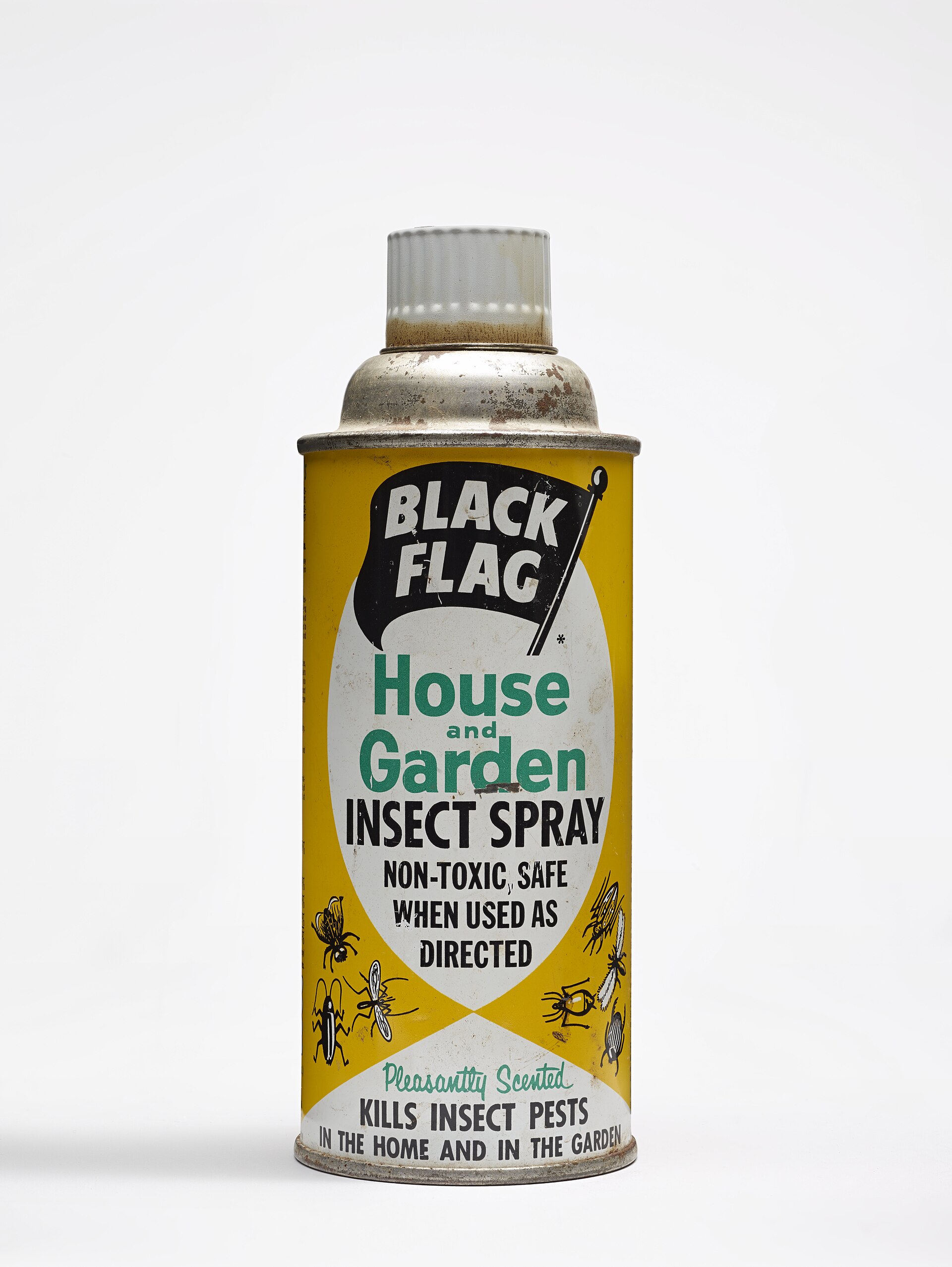
You’re reading the label on a can of bug spray, or writing a product page for one, and the word looks a bit off. Is it repellant or repellent? If you’ve searched repellant or repellent, the short answer is that “repellent” is the standard spelling and the safest one to use. “Repellant” shows up now and then, but most dictionaries treat it as a less common variant.
What the word means
A repellent is something that drives something else away. Insect repellent keeps mosquitoes off your skin. Water repellent fabric makes rain bead up and roll off a jacket. The word can be a noun, as in “a mosquito repellent,” or an adjective, as in “a water-repellent coat.”
Where the spelling comes from
The word comes from the Latin verb “repellere,” meaning to drive back. In English, the ending “-ent” is the usual choice for words that come from Latin verbs in this way, like “absorbent,” “resident” and “different.” The “-ant” ending shows up too, as in “assistant” and “relevant,” but it’s tied to other Latin and French patterns. With “repel,” the ending that fits the pattern is “-ent.”
So is “repellant” wrong?
Not exactly. Some dictionaries list “repellant” as an accepted alternate spelling, mostly for the noun. You’ll see it on some labels and in older writing. But “repellent” is the form most dictionaries, style guides and publishers prefer, and it’s the one used by almost every major brand. If you want to avoid any doubt, choose “repellent.”
A quick memory trick
Think of the word “repel” and add “-ent.” Repel plus ent. You could also link it to “excellent,” another word with the same ending that also has double L’s. If you remember one, you’ve got both. It’s a small trick, but it helps when you’re typing quickly.
Common phrases
- Insect repellent: the spray or lotion you use outdoors.
- Mosquito repellent: a type of insect repellent for mosquitoes in particular.
- Water-repellent: describes fabric or a coating that sheds water.
- Deer repellent: used by gardeners to keep animals off plants.
- Pet repellent: sprays and devices used to keep pets away from furniture or areas.
Hyphen or no hyphen?
When “repellent” is used as an adjective before a noun, it’s usually hyphenated: “a water-repellent jacket.” Without a following noun, the hyphen often goes away: “the jacket is water repellent.” Some writers drop the hyphen all the time, and both appear in print. Whatever you choose, keep it consistent through the page.
A note for people who write product copy
If you sell these items, spelling matters for trust. A misspelled label looks careless, and shoppers may worry about the product too. Using “repellent” matches what most people search for and what most competitors use, which also helps your page get found. If you want to double-check other tricky word pairs, compairro.com has short, easy guides you can scan before you publish.
Other related words
The same spelling logic applies across the word family. “Repel” is the verb, “repelled” and “repelling” are its forms, and “repellency” describes how well something works at keeping things away. Notice that the double L stays in each one. The only spot where people tend to wander is the ending, which is why “repellent” with an E is the form worth memorizing.
Using it safely
While we’re on the subject, it’s worth reading the instructions on any repellent you buy. Apply insect repellent only to exposed skin, avoid cuts and the eyes, and wash it off when you’re back indoors. For children, check the age guidance on the label. A little care goes a long way.
The short answer
Write “repellent.” It’s the standard spelling and the one most readers expect. “Repellant” is a less common variant you may spot here and there, but you can safely skip it. Remember repel plus ent, and you’re done.
